

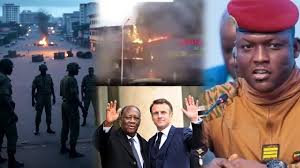
The Ivory Coast Coup: Transforming West Africa’s Political Dynamics: The recent coup in Ivory Coast marks a significant turning point in West Africa’s political landscape. This event reshapes the internal dynamics of Ivory Coast and has implications for neighboring countries and the international community.
Historical Context
Ivory Coast, once a beacon of stability and economic growth in West Africa, has a tumultuous political history. The country gained independence from France in 1960. For decades, it was led by Félix Houphouët-Boigny, who maintained stability. However, after his death in 1993, the nation faced political chaos, culminating in a civil war in 2002.
The political landscape has been complicated by ethnic tensions and power struggles. The rise of former President Laurent Gbagbo and his ousting in 2011 by Alassane Ouattara, backed by French and UN forces, exemplifies this volatility. The recent coup in May 2025 continues this cycle of instability.
The Coup: Causes and Consequences
The coup arose from widespread dissatisfaction with the current government. Many citizens viewed it as corrupt and ineffective. Economic challenges, worsened by global crises, led to public unrest. The military intervened, claiming it was necessary to restore order and address grievances. The Ivory Coast Coup: Transforming West Africa’s Political Dynamics
The immediate consequences include a power vacuum and uncertainty about future governance. The military leaders promised a return to civilian rule, but skepticism remains. The coup raises concerns about potential regional spillover effects, as neighboring countries face their own political challenges.
Regional Implications
The coup in Ivory Coast is part of a broader trend of military interventions in West Africa. Countries like Mali and Burkina Faso have also experienced coups, reflecting a growing disillusionment with democratic governance. This trend poses risks for regional stability, undermining democratic institutions and increasing violence.
Internationally, the coup has drawn condemnation from various governments and organizations, including the African Union and ECOWAS (Economic Community of West African States). These bodies have called for a return to constitutional order and threatened sanctions against the military leaders. However, the effectiveness of such measures remains uncertain.
The Role of External Actors
External actors, including former colonial powers and international organizations, shape West Africa’s political landscape. France, which has historically influenced the region, faces challenges in navigating these changes. The coup may prompt France to reevaluate its approach to its former colonies.
Moreover, international organizations play a crucial role in peacekeeping and stabilization efforts. The United Nations and regional bodies must work together to address the root causes of instability and support inclusive governance.
Conclusion
The Ivory Coast coup represents a pivotal moment in West Africa’s political evolution. It highlights the fragility of democratic institutions amid economic and social challenges. As the region grapples with the implications of this event, local and international actors must prioritize dialogue and reconciliation. The future of Ivory Coast and its role in West Africa will depend on navigating these complex dynamics and fostering a stable political environment.
For further reading on the political dynamics in West Africa, consider exploring the following resources:
- The Rise of Secession Movements in West Africa
- Analysis of the Causes of Military Coups d’Etat in Sub-Saharan Africa
- Citizenship, Belonging, and Political Community in Africa
Let ’em Roll is an album by American organist Big John Patton recorded in 1965 and released on the Blue Note label.
Let
‘EM
Roll
Big
John
Patton